Healing in Public: Why Community Wellness Is the Next Frontier of Holistic Health


For the past decade, the wellness conversation has been intensely personal. Meditation apps, breathwork retreats, somatic therapy, cold exposure — the landscape of holistic practice has exploded with tools for the individual seeker. And these tools work. But something is missing from this picture: the profound, evidence-backed understanding that human beings do not heal in isolation. We heal in relationship.
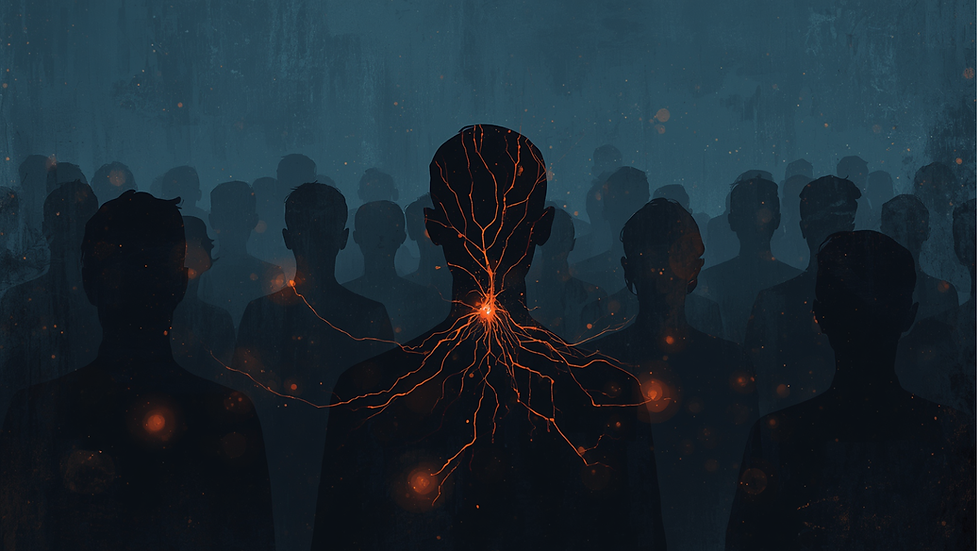
Community-based mental health initiatives are gaining traction precisely because isolated wellness has its ceiling. A person can do every breathing exercise in the world and still return, daily, to a neighborhood, workplace, or family system that is chronically dysregulated. The environment does not stay outside the nervous system — it becomes part of it.
What does holistic community wellness look like in practice? It looks like mental health awareness events that center a range of voices and create stigma-free spaces for honest conversation. It looks like workplaces adopting regular check-ins that surface hidden distress before it becomes crisis. It looks like neighborhood organizations hosting shared experiences — not just as recreation, but as intentional spaces for people to regulate together. When people gather in safety and purpose, stress responses soften. Belonging is not a soft concept; it is biochemistry.
The accountability dimension is important here. Holistic community wellness does not happen by accident or by the energy of a few passionate individuals. It requires institutions — schools, employers, local governments, healthcare systems — to build the scaffolding that allows informal healing to take root. Preventive care, early intervention programs, and integrated mental-physical health models are not luxuries; they are infrastructure.
There is also a personal accountability that runs alongside the institutional one. Each of us makes daily choices about whether to engage with or withdraw from our communities — whether to show up for the gathering, initiate the check-in, create the space. These choices accumulate. A community that heals together is built one intentional act of presence at a time, and each of those acts begins with an individual deciding that the people around them are worth the effort.
Communities that invest in this kind of infrastructure — human, relational, institutional — will not merely survive the pressures of this moment. They will develop a form of collective resilience that no individual wellness practice, however sophisticated, can replicate. The invitation is both collective and personal: bring your inner work outward. Let the compassion you develop in your own healing practice become the lens through which you see your neighbors. The line between self-care and community care was always thinner than we imagined.


If you are looking for a fun online driving game, Escape Road 3 is an excellent choice. The exciting missions, intense gameplay, and fast vehicles create an addictive arcade racing experience. I always come back to this game because every run feels unique!
great post
I usually play during coffee breaks, and Drive Mad fits perfectly. The levels are short but still feel satisfying to complete.
Many mobile games focus on collecting rewards, but Geometry Dash World focuses on mastering movement. Success comes from understanding level patterns, improving reaction speed, and staying focused under pressure. Combined with its memorable music and creative stage design, the game offers an experience that feels rewarding in a completely different way.
La présentation semble équilibrée et rend chaque section facile à suivre pour les lecteurs, du début à la fin. J'ai récemment trouvé Geometry Dash en ligne utile pour améliorer le contrôle du cube ainsi que les techniques de synchronisation musicale.