The Quiet Burnout You Can't See: Recognizing the Masked Exhaustion of 2026


Something is happening in offices, homes, and communities across the country, and most people experiencing it cannot name it. Researchers and HR professionals have begun calling it "quiet burnout" — a state where a person appears engaged, even high-functioning, while privately operating at the very edge of their emotional reserves. Unlike the burnout of past decades, which announced itself with absenteeism and visible breakdown, this version wears the mask of productivity.
At its root, quiet burnout is a failure of self-awareness — not a moral failing, but a structural one. We have built lives, workplaces, and even identities around the idea that sustained output is proof of wellness. To slow down is to signal weakness. To name exhaustion is to invite scrutiny. And so we perform. We return the emails. We smile through the meetings. We push.
The emotionally intelligent response to this crisis begins not with a productivity solution but with a perceptual one: learning to notice what we actually feel rather than what we are supposed to feel. This is harder than it sounds. Emotional numbness — a common feature of quiet burnout — is itself a signal that the system has been overwhelmed for too long.
There is a holistic dimension here that goes underappreciated: the body carries what the mind refuses to acknowledge. Chronic tension in the jaw, disrupted sleep, a flattening of enthusiasm for things once loved — these are not signs of aging or stress in the abstract. They are the body's honest accounting of an emotional debt that has gone unaddressed. Attending to these signals with curiosity rather than judgment is one of the most powerful acts of self-accountability available to us.
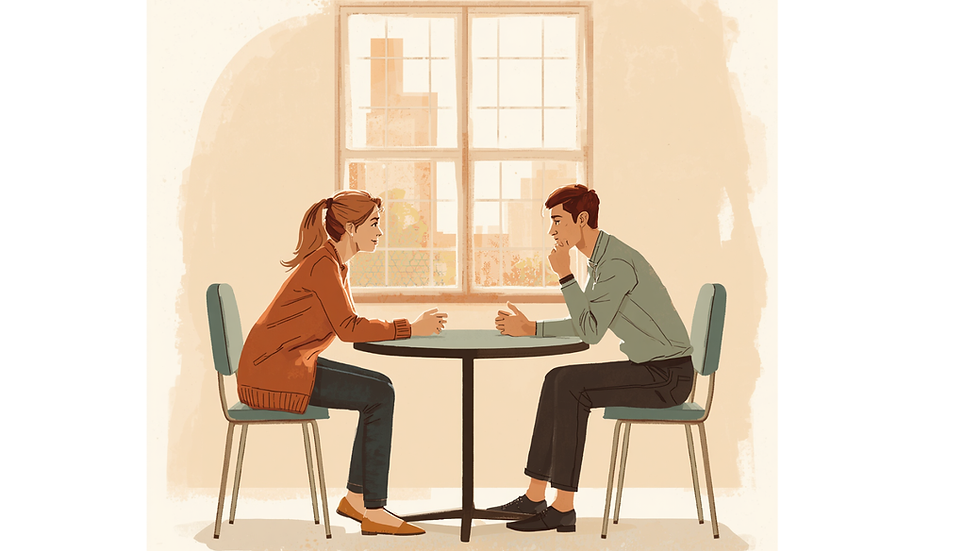
The first step is deceptively simple: create conditions where honesty about exhaustion is safe. This means asking better questions of ourselves and others — not "how productive were you today?" but "how are you actually doing?" It means building personal practices that create space between stimulus and response: walks without podcasts, mornings without screens, meals without agendas. It means treating rest not as a reward for completed work but as a non-negotiable input to sustainable performance.
The collective opportunity in this moment is significant. When we normalize the conversation about masked exhaustion — in workplaces, families, and friend groups — we break the social contract that makes quiet burnout possible in the first place. We give one another permission to be human, which is the beginning of genuine resilience, not the retreat of it. The person sitting next to you in the meeting who looks fine may be running on empty. So might you. That shared reality, named and acknowledged, is where recovery begins.


A Color Picker is a small feature that can make a noticeable difference in digital projects. Designers, bloggers, and website creators can use it to identify exact color values, making it easier to maintain consistency across graphics, pages, presentations, and other visual content.
I didn't expect to spend so much time on eggy car. Every run feels a little different, and it's satisfying when you finally beat your previous distance.
この記事は分かりやすく、集中力と判断力の関係が実践的に理解できる内容でした。特にタイミングの重要性がゲームだけでなく日常生活にも影響する点が印象的です。ブラウザで遊べる ピンゲーム は短時間でも集中力を鍛えることができる優れたトレーニングツールです。
This interaction, which doesn't seem to hurt anything, actually slows the player down, which Baldi can use to his advantage. baldi's basics
I relate to this a lot-sometimes people look fine on the slope game outside but are actually completely drained inside, and we don’t talk about it enough.