The Hidden Epidemic: How Isolation Shapes Our World and What We Can Do About It


The Reality We're Living In
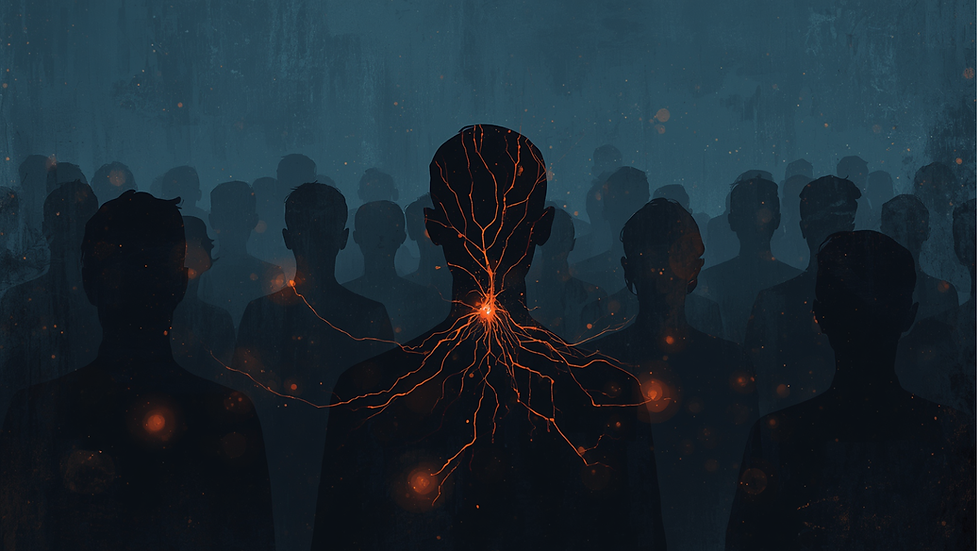
One in six people worldwide experiences profound loneliness—not the temporary sadness of missing someone, but the chronic ache of feeling fundamentally separate from the human experience around them. The World Health Organization has recognized this as a global health crisis, and for good reason.
Why We've Become So Disconnected
The roots of our collective isolation run deeper than we might think. Our world has undergone a fundamental restructuring in ways that make genuine connection increasingly difficult.
We've moved from communities where extended families lived close together to cities where we barely know our neighbors. The work that once brought people together—farming, crafting, building—has been replaced by jobs that keep us isolated or competing against one another.
Technology promised to connect us, but often delivers something else entirely. We scroll through curated versions of other people's lives, mistaking this for a genuine relationship. We accumulate followers and likes while our capacity for deep, vulnerable connections atrophies.
Our economic reality compounds this. Many work multiple jobs or long hours just to survive, leaving little energy for building relationships. We move frequently in pursuit of opportunities, constantly rebuilding our social networks from scratch. The gig economy offers flexibility, but it also eliminates the natural community that traditional workplaces provided.
Perhaps most significantly, we've absorbed the belief that we should meet all our own emotional needs—that needing others represents failure. This mythology of self-sufficiency leaves us ashamed of our most basic human requirements.
The Cost of Our Disconnection
Chronic isolation doesn't just feel bad; it fundamentally changes our bodies and minds. Research shows that loneliness increases our risk of early death by up to 50%—comparable to smoking or obesity. Our immune systems weaken, stress hormones spike, and our risk of depression, anxiety, and cognitive decline all increase dramatically.
Isolation creates a cycle that feeds itself. When we're lonely, we become hypervigilant to social threats, interpreting neutral interactions as rejection. We withdraw further, confirming our fears that we don't belong, which makes us withdraw even more.
At a collective level, our disconnection weakens the foundations of society. Isolated people are less likely to participate in their communities, vote, or trust institutions. This erosion of social trust makes it harder to solve problems together, creating fertile ground for division and conflict.
When Isolation Becomes a Weapon
Here's what we need to understand: isolated people are easier to control. Throughout history, those seeking power have recognized that separated individuals pose less threat than connected communities.
Political systems benefit when we view each other as enemies rather than neighbors facing similar struggles. If we're busy fighting each other, we won't be able to organize together for systemic change. Fear-based messaging that portrays certain groups as threats serves to keep us divided and distracted.
Economic systems exploit our loneliness by suggesting that consumption can fill the void left by broken relationships. We're encouraged to buy our way to happiness rather than invest in the messy work of human connection.
Digital platforms can be designed to increase our isolation while making us feel connected. Algorithms prioritize content that keeps us scrolling—often angry, fearful content—over content that might inspire us to spend time with real people.
When we're isolated, we become more susceptible to manipulation because we lack diverse relationships that might offer alternative perspectives. We may be drawn to extreme ideologies because they offer a sense of belonging we're missing elsewhere.
Breaking Free from the Patterns
Recognition is the first step toward freedom. When we encounter messages that promote fear, division, or competition over collaboration, we can pause and ask: what would change if people came together instead of staying apart?
We can develop discernment about the information we consume, checking sources and seeking diverse perspectives. We can notice when content makes us feel more afraid or angry rather than informed and empowered.
Most importantly, we can prioritize building authentic relationships across lines of difference. When we know people personally, it becomes much harder to accept generalizations about their groups. These relationships provide multiple viewpoints that help us navigate complex information.
Creating Connection in a Disconnected World
The antidote to isolation isn't complicated, but it does require intention. We need to prioritize face-to-face interaction, even when it feels awkward. We can join groups focused on activities rather than discussion—cooking classes, hiking groups, volunteer organizations—where connection happens naturally through shared action.
We can practice what researchers call "weak tie" interactions: brief, positive exchanges with people we encounter regularly but don't know well. The barista, the neighbor walking their dog. These interactions create a sense of community belonging that counters isolation.
On a larger scale, we need communities designed for connection—public spaces where people naturally encounter each other, and work structures that prioritize human well-being alongside productivity.
The Path Forward
The isolation epidemic reminds us of something fundamental: we are social creatures who need each other to thrive. Individual well-being and collective well-being are interdependent realities.
When we understand this, isolation stops being just a personal problem and becomes a shared challenge requiring collaborative solutions. We can create systems that support human flourishing, design technology that genuinely serves connection, and build cultures that honor both individual growth and community belonging.
The strongest resistance to forces that profit from our division is authentic relationship. When we build genuine community across differences, we create not just personal healing but collective resilience. We remember that our liberation is bound up together, and in that remembering, we find both the motivation and the means to change how we live.


Comments