The Art of Preparedness


There is a difference between being prepared and being consumed by preparation. One is wisdom; the other is worry dressed up as productivity.
I've been thinking lately about how we've somehow made planning ahead synonymous with paranoia, as though having foresight makes you neurotic rather than prudent. But there's something deeply grounding about knowing you can weather the small storms—and perhaps even the large ones—without falling apart.
The Psychology of Enough
Most of our anxiety stems from scarcity thinking. We worry about running out: of money, of time, of options, of safety. But when you begin to keep a little extra of what you need—food in the pantry, money in savings, skills in your repertoire—something shifts in your nervous system. You stop operating from lack and start operating from sufficiency.
This isn't about building bunkers or stockpiling for the apocalypse. It's about creating buffers that allow you to breathe. When the grocery stores were empty during the early days of the pandemic, the people who didn't panic weren't necessarily the ones with the most money—they were often the ones who had simply maintained fuller pantries as a matter of course.
There's profound peace in knowing you have enough. Not excess, not abundance, just enough to handle what comes without scrambling.
The Difference Between Fear and Wisdom
Fear tells you to control everything. Wisdom tells you to prepare for what you can and accept what you cannot.
I've been considering how thoughtful preparation is actually an act of self-compassion. When you keep basic medical supplies on hand, you're being kind to your future self who might need them. When you learn a new skill—how to change a tire, how to preserve food, how to manage finances—you're expanding your capacity to handle life rather than restricting it.
The obsessive prepper hoards out of terror. The wise person prepares out of love—love for their family, love for their peace of mind, love for their own resilience, and love for their community, so as not to create scarcity for others by gradually collecting resources over time.
What Real Preparedness Looks Like
Real preparedness is often invisible. It's the family that always has weeks or months’ worth of meals on hand, not because they're expecting disaster, but because they understand that life is unpredictable. It's the person who keeps their important documents organized and accessible, who maintains their car, and who has learned basic first aid.
It's less about gear and more about mindset. Less about what you own and more about what you know. Less about fear and more about capability.
I've been thinking about how the most prepared people I know don't talk about being prepared. They just are. They've quietly arranged their lives so that temporary disruptions don't become crises. They've built resilience into their daily routines rather than treating it as something separate.
The Ripple Effects
When you're prepared, you're not just helping yourself—you're helping everyone around you. You're not competing for resources during shortages. You're not asking others to rescue you from preventable situations. You might even be able to help.
There's something beautiful about being the person others can count on, not because you're trying to be a hero, but because you've simply thought ahead. The neighbor who has a generator during power outages, the friend who knows how to fix things, the family member who stays calm during emergencies—these people aren't anxious survivalists. They're just competent humans who've prepared for reality.
Beyond the Basics
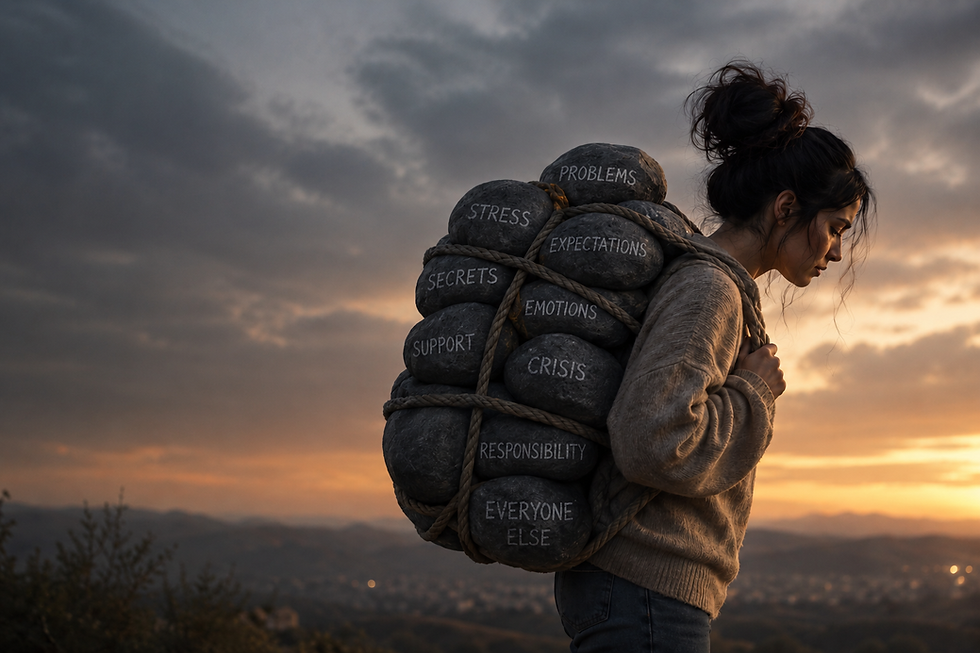
The deepest form of preparedness isn't about supplies—it's about developing the internal resources to handle whatever comes. Emotional regulation. Problem-solving skills. The ability to stay present during chaos. The wisdom to know when to act and when to wait.
I've been reflecting on how true security comes from knowing you can adapt, not from trying to control every variable. The most prepared person isn't the one with the most stuff; it's the one with the most flexibility, creativity, and inner stability.
The Gentle Path
There's a way to prepare that feels nourishing rather than fearful. It starts with small steps: keeping your gas tank fuller, your pantry more stocked, your skills more diverse. Not out of panic, but out of the same impulse that makes you carry an umbrella when rain is possible.
It's about creating margin in your life—financial margin, emotional margin, practical margin. Space to breathe when things get tight. Room to help others when they need it. The capacity to make decisions from wisdom rather than desperation.
The Ultimate Preparation
Perhaps the most important thing you can prepare is your mind. Not for disaster, but for adaptability. Not for fear, but for confidence in your ability to handle whatever comes.
When you know you've done what you reasonably can to prepare for likely challenges, you're free to focus on living rather than worrying. You can be present with your family instead of being consumed by what-ifs. You can make decisions from a place of strength rather than scarcity.
This is the paradox of true preparedness: the more prepared you are, the less you think about being prepared. You're simply living from a place of readiness, resilience, and quiet confidence.
And maybe that's the point. Not to become someone who's always thinking about disasters, but to become someone who's so quietly prepared that they're free to think about everything else.


Cuando se desea verificar un resultado, disponer de información clara ayuda a encontrar los números con mayor rapidez. También resulta práctico consultar diferentes datos desde un mismo sitio. La lotería nacional puede ser una referencia conveniente para quienes acostumbran revisar los resultados de los sorteos.
In Scary Teacher 3D, players must use clever strategies to prank the strict teacher without getting caught.
Just like in the management game monkey mart, proactively stocking shelves and preparing resources is key to running things smoothly, helping you take control of the situation instead of chasing after crises. Knowing what is "enough" is the foundation of freedom.
A lot of modern stress does come from perceived instability rather than actual, immediate Escape Road 3 danger. When basic needs feel uncertain, even abstractly, the mind keeps scanning for threats. But having small buffers—food, savings, practical skills—creates a kind of psychological safety net. It doesn’t eliminate uncertainty, but it reduces the sense of fragility.
This really hits. I like how it separates being prepared from just spiraling into anxiety—because a lot of the time people blur that stickman hook line. The “worry dressed up as productivity” part especially feels real… I’ve definitely caught myself over-planning things that never even happen.